This website is under construction. Its content is incomplete.

Panchayat

A Panchayat is a collective body of elected representatives responsible for carrying out the administrative functions of Panchayati Raj institutions. In the case of a Gram Panchayat, it is the main governing committee that implements the decisions of the Gram Sabha and manages day-to-day administration.The main components of a Panchayat are:President: The head of the Panchayat. The President presides over meetings and supervises the overall functioning of the Panchayat.Vice President: Performs the duties of the President in their absence.Ward Members: Elected representatives from each ward within the Panchayat.Standing Committees: These are subcommittees formed to facilitate decision-making in specific areas such as finance, development, welfare, health, and education.

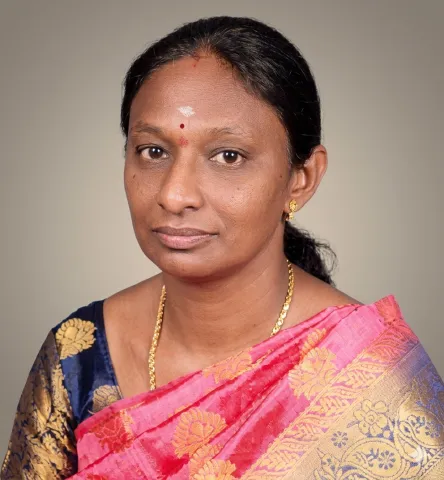
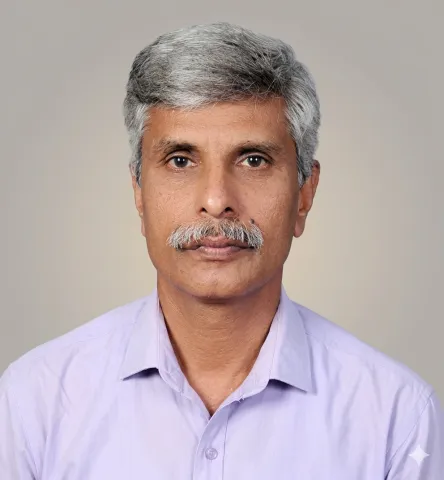
Sheeja

President

Karthikeyani .R

Vice President & Chairman Standing Committee for finance

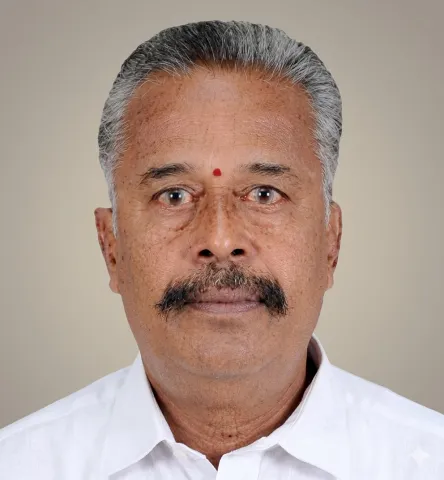
Babu Raj A

Chairman, Standing Committee for development

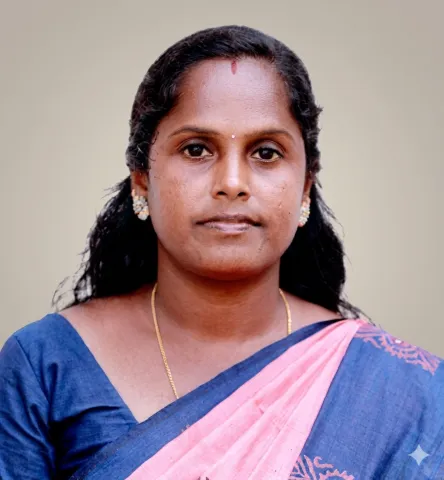
Annai Punitha

Chairman,Standing Committee for Welfare

Murugaboopathy A

Chairman,Standing Committee for Health and Education

Sivanand R

Secretary, Grama Panchayat

About Us

At a glance

 Key InformationDistrict: Palakkad DistrictBlock: ChitturArea: 36.93 sq. kmNumber of Wards: 15 Population DetailsCategoryCount / RatioTotal Population21734Males10780Females10954Population Density589 people / sq. kmSex Ratio (Female : Male)1009 LiteracyTotal Literacy: 63.26%Male Literacy: 73.95%Female Literacy: 52.66%Brief AssessmentThe sex ratio is approximately balanced.Male literacy is higher than female literacy.The overall literacy rate is at a decent level.

Read More
K-SMART App

K-SMART - Mobile App

Download Now

decorative icons

History of Grama Panchayat

Eruthenpathy Grama Panchayath, one of the three grama panchayaths in Kozhinjampara Farka of Chittur Taluk in Palakkad district, shares its border with Tamil Nadu. The names of all 11 revenue villages in Kozhinjampara Farka end with the word "Pathi". "Pathi" means forest or woods. Human habitation was very low in these areas initially. By the beginning of the 18th century, various groups of people from the neighboring state of Tamil Nadu migrated to this region for agriculture and other purposes. Consequently, the people here became owners of a hybrid culture. Their main livelihood was agriculture and cattle rearing. In the early days, it was customary to dry and store cattle dung for fuel and agricultural activities. Dried dung is called "Eru" in Tamil. Bees from the forests of this region used to build hives...

Read More